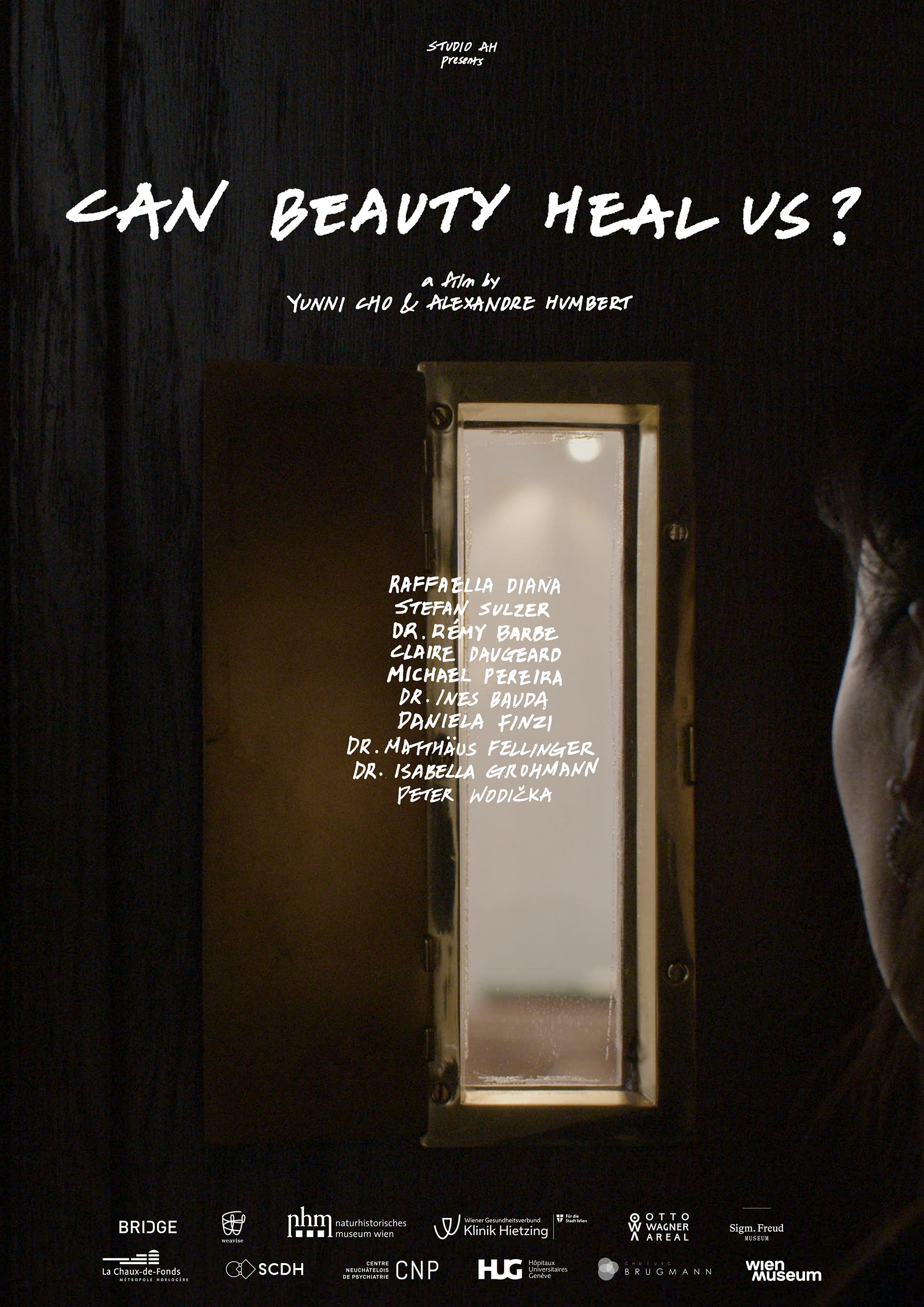
Can Beauty Heal Us?
2026 | 51 min
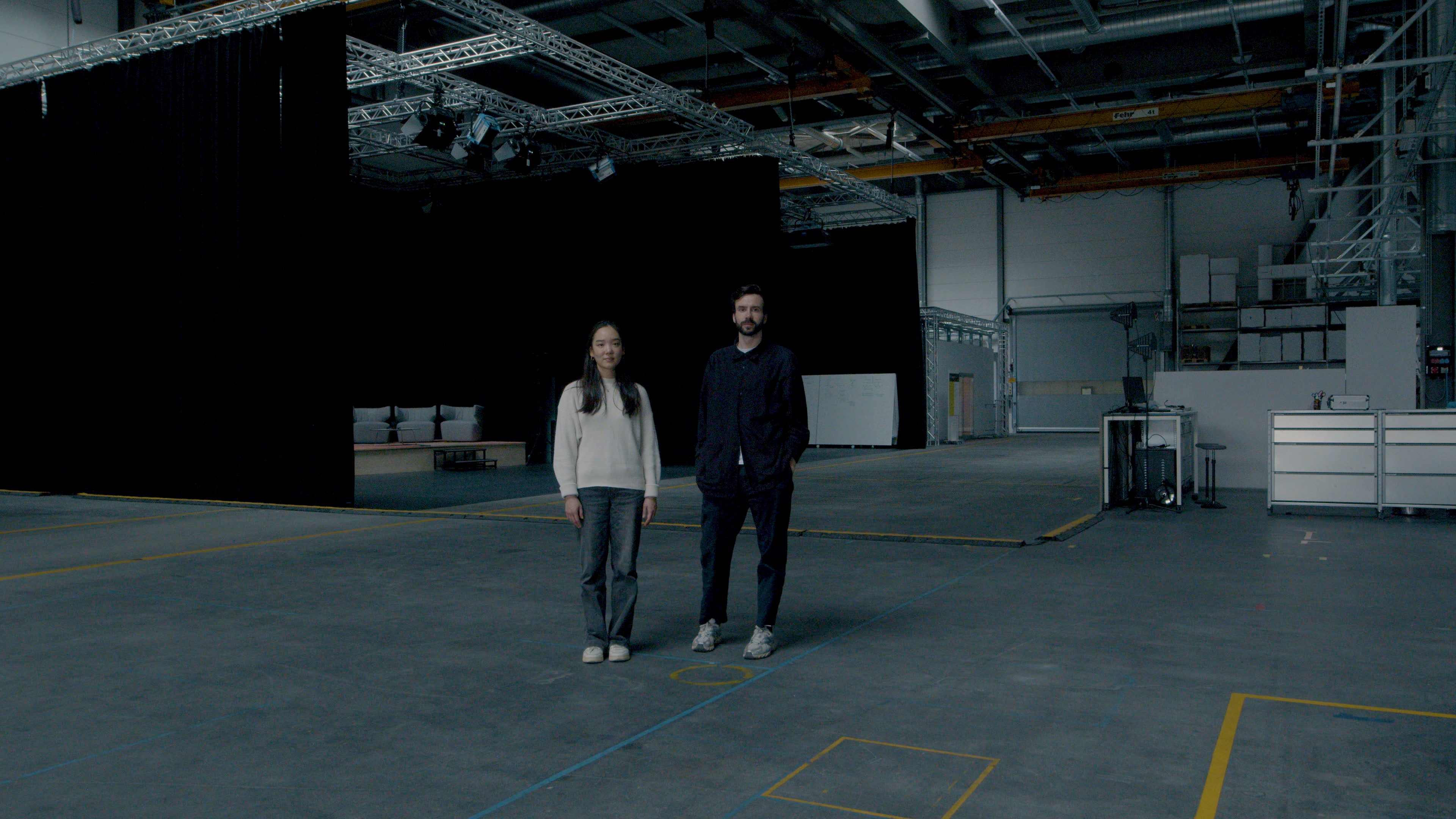
A film written and directed by Yunni Cho and Alexandre Humbert
Research lead: Yunni Cho
Images and Postproduction: Alexandre Humbert
Additional images: Anwyn Howart
Production by Studio AH
Supported by the BRIDGE Funding Program and the Weavise initiative
Research lead: Yunni Cho
Images and Postproduction: Alexandre Humbert
Additional images: Anwyn Howart
Production by Studio AH
Supported by the BRIDGE Funding Program and the Weavise initiative
Featuring interviews with:
Dr. Matthäus Fellinger, MD, Peter Wodicka, Dr. Ines Bauda, Dr. Isabella Grohmann, Daniela Finzi
Raffaella Diana, Claire Daugeard, Michael Pereira, Dr. Rémy Barbe, Stefan Sulzer
Dr. Matthäus Fellinger, MD, Peter Wodicka, Dr. Ines Bauda, Dr. Isabella Grohmann, Daniela Finzi
Raffaella Diana, Claire Daugeard, Michael Pereira, Dr. Rémy Barbe, Stefan Sulzer
Additional thanks to:
Peter Nömaier, Anna Narodoslawsky, Mariella Edinger, Selzer Helmut, Eduard Winter, Prof. Milica Vujovic, Dr. Fritz Neuhauser, Anastasia Dombrovska, Sylvie Pipoz, Elisabeth Horth, Isabelle Poplemont, Valentine Jonet
Peter Nömaier, Anna Narodoslawsky, Mariella Edinger, Selzer Helmut, Eduard Winter, Prof. Milica Vujovic, Dr. Fritz Neuhauser, Anastasia Dombrovska, Sylvie Pipoz, Elisabeth Horth, Isabelle Poplemont, Valentine Jonet
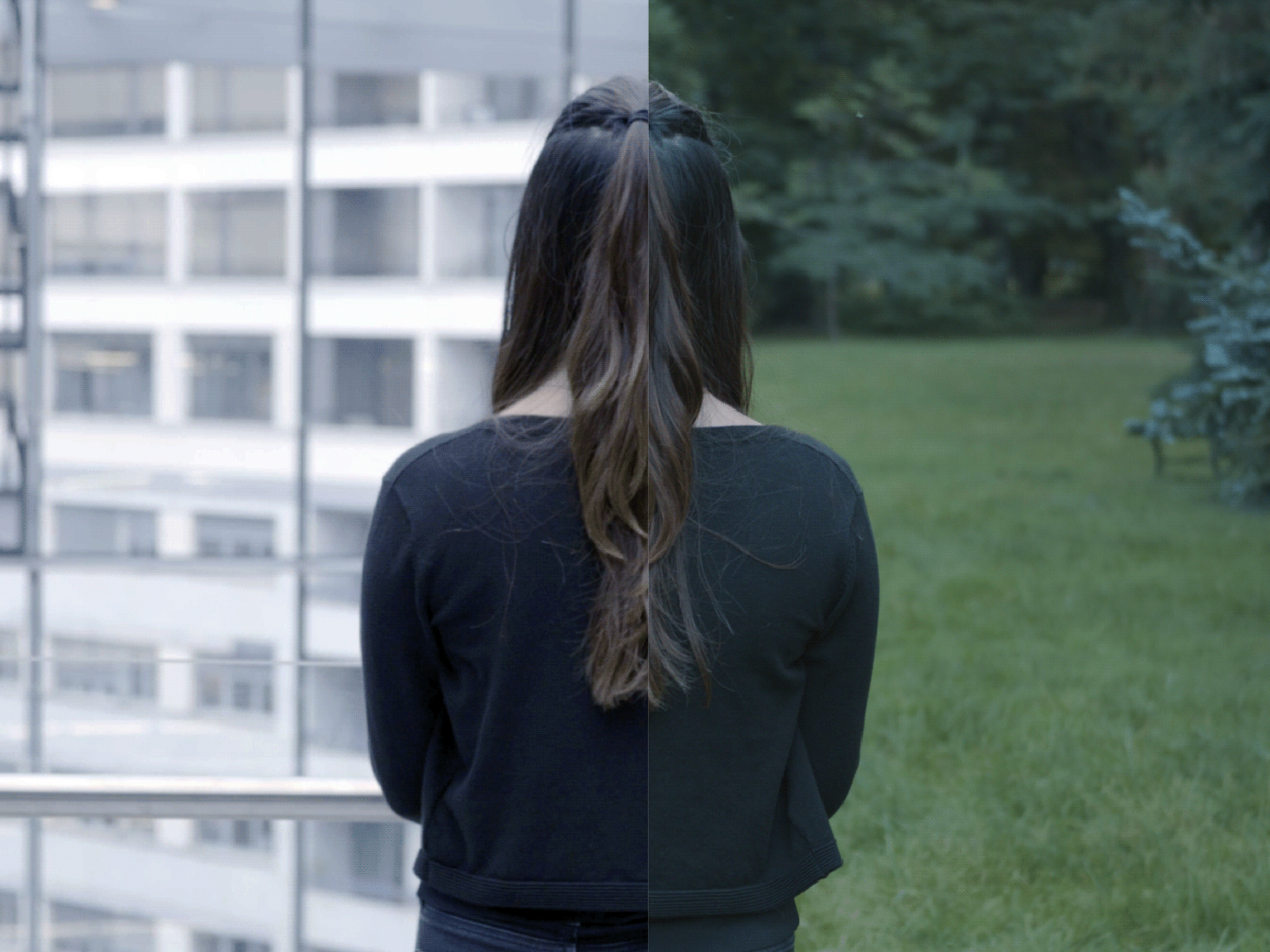
Architecture is never neutral.
It either lifts us up, or it presses us down.
It either lifts us up, or it presses us down.
From the intimacy of our homes to the institutions that care for us,
the built environment exerts a silent but profound influence on our lives.
But nowhere is this impact more critical than
in the spaces designed for mental healthcare.
Can a building be more than just a shelter?
Can it be part of the healing process?
the built environment exerts a silent but profound influence on our lives.
But nowhere is this impact more critical than
in the spaces designed for mental healthcare.
Can a building be more than just a shelter?
Can it be part of the healing process?
Spanning Switzerland, Austria, and Belgium, “Can Beauty Heal Us?”
investigates the delicate relationship between space and the human mind.
The film travels through a visual history of care from the imposing corridors
of the Narrenturm and the Otto Wagner Areal to the progressive environments
of the Swiss Center for Design and Health and the Ville de La Chaux-de-Fonds.
investigates the delicate relationship between space and the human mind.
The film travels through a visual history of care from the imposing corridors
of the Narrenturm and the Otto Wagner Areal to the progressive environments
of the Swiss Center for Design and Health and the Ville de La Chaux-de-Fonds.
Through dialogues with doctors, researchers, and directors,
the film confronts a defining question:
If architecture shapes our vulnerability,
can the many layers of beauty aid in our recovery?
the film confronts a defining question:
If architecture shapes our vulnerability,
can the many layers of beauty aid in our recovery?
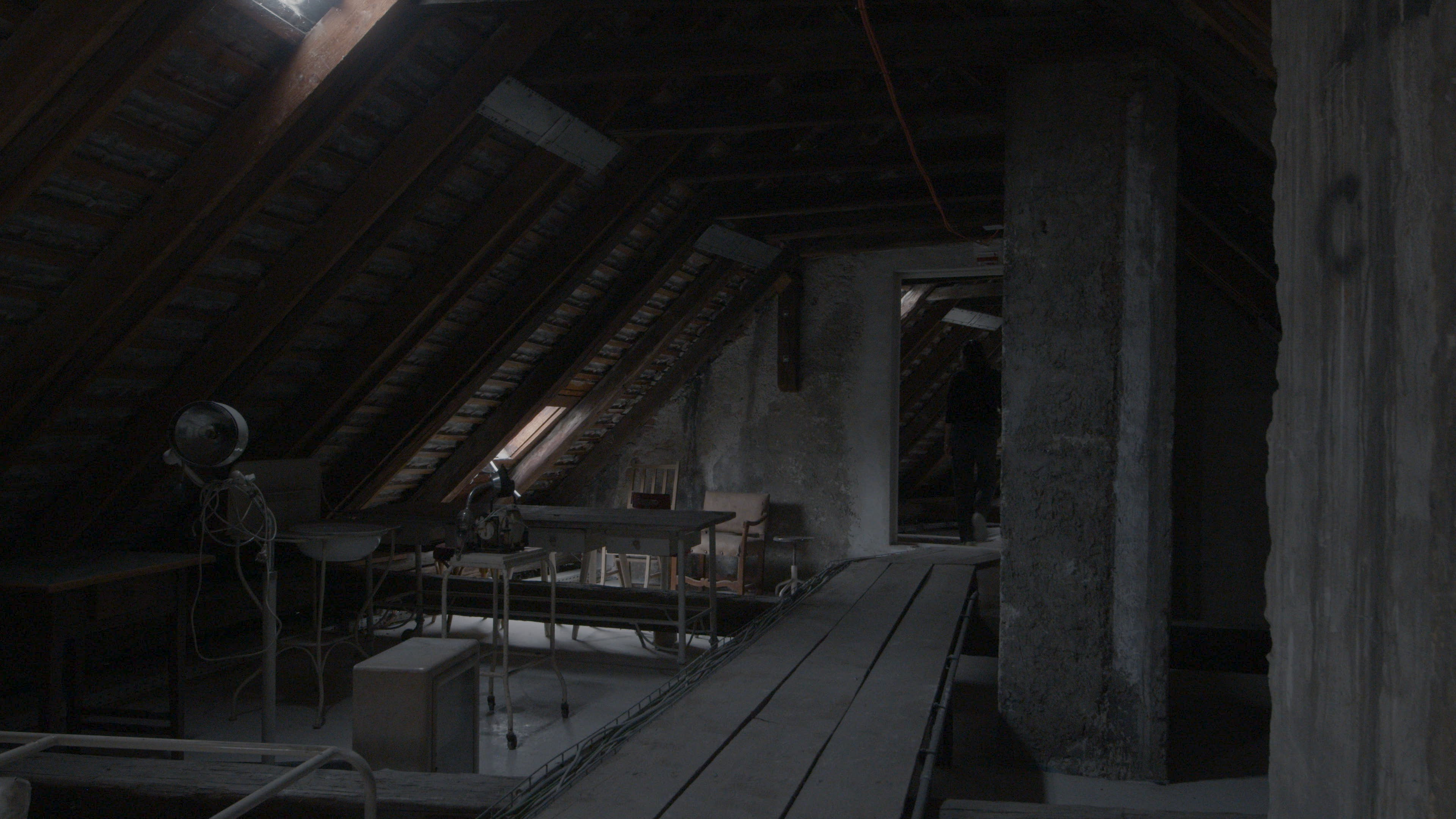
Narrenturm
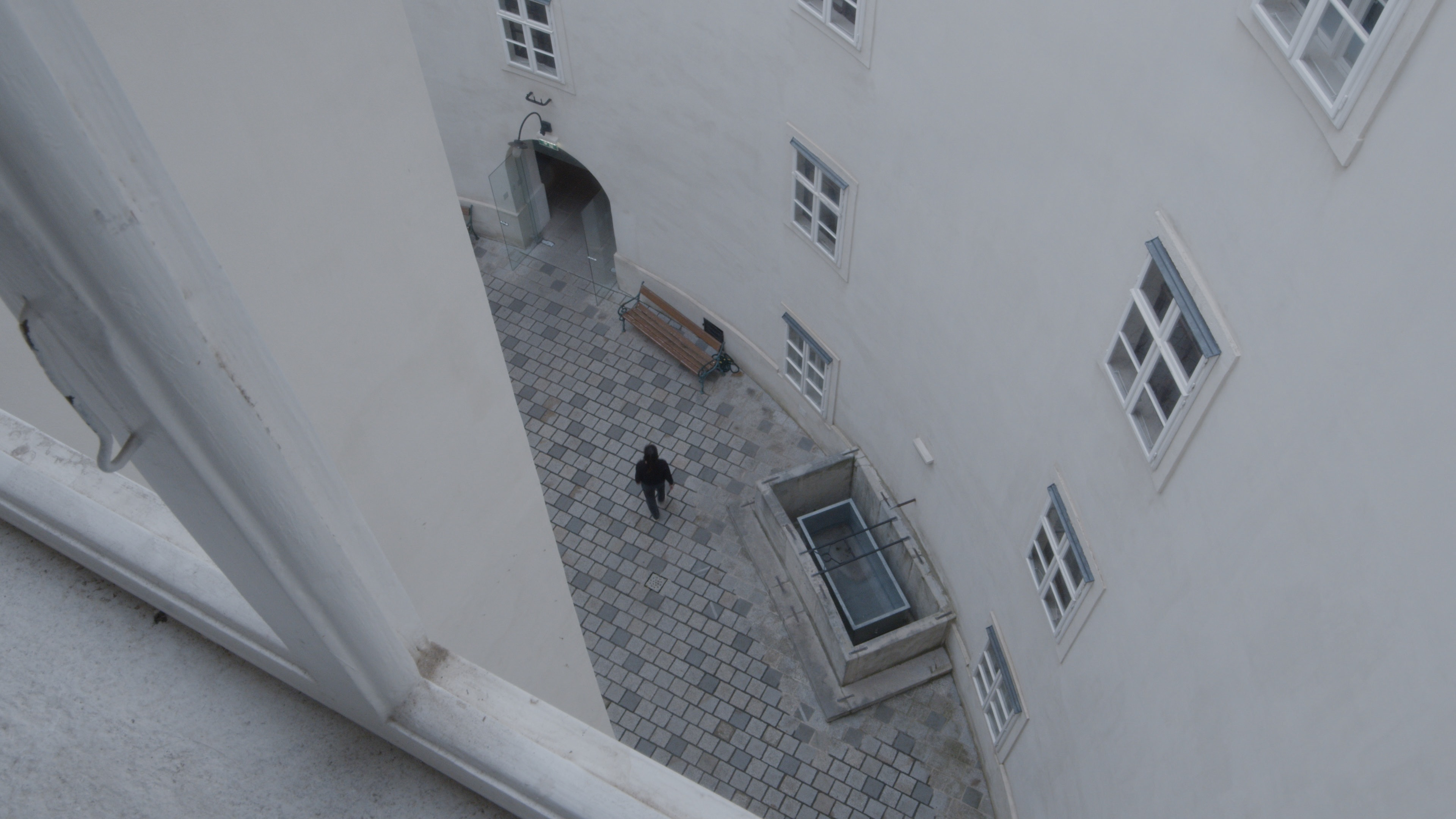
Narrenturm
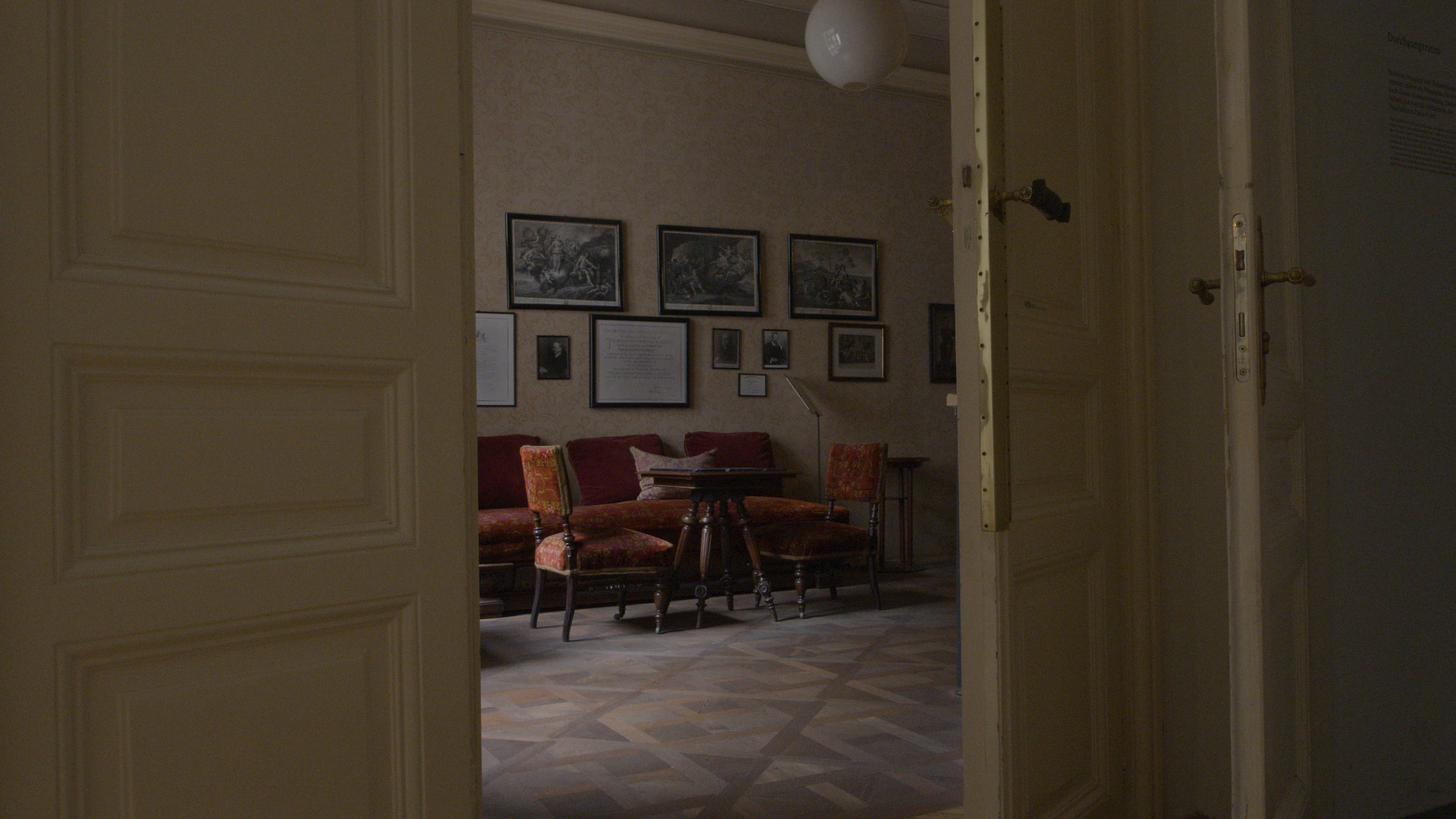
Sigmund Freud Museum
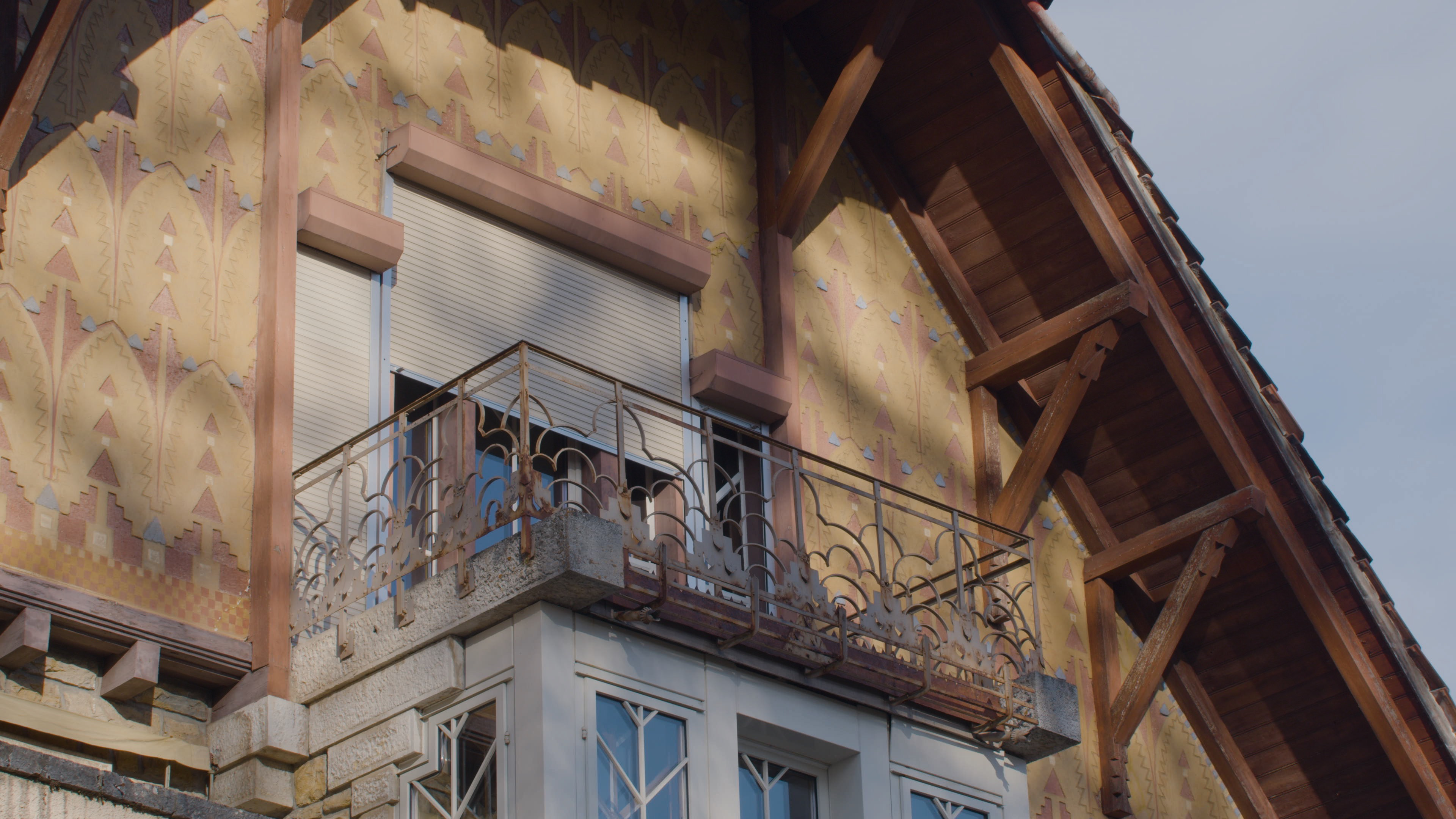
Villa Fallet
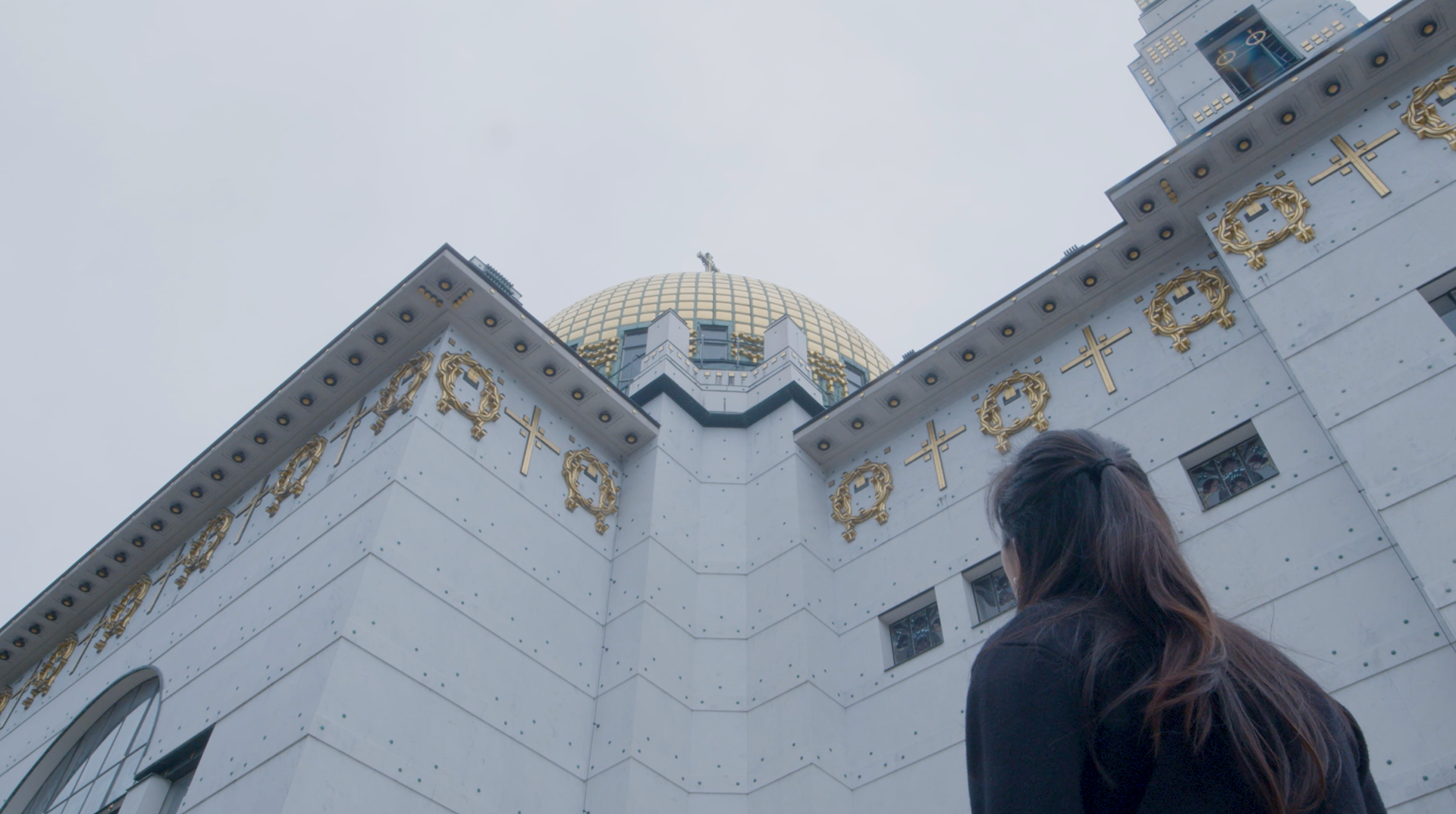
Otto Wagner-Kirche am Steinhof
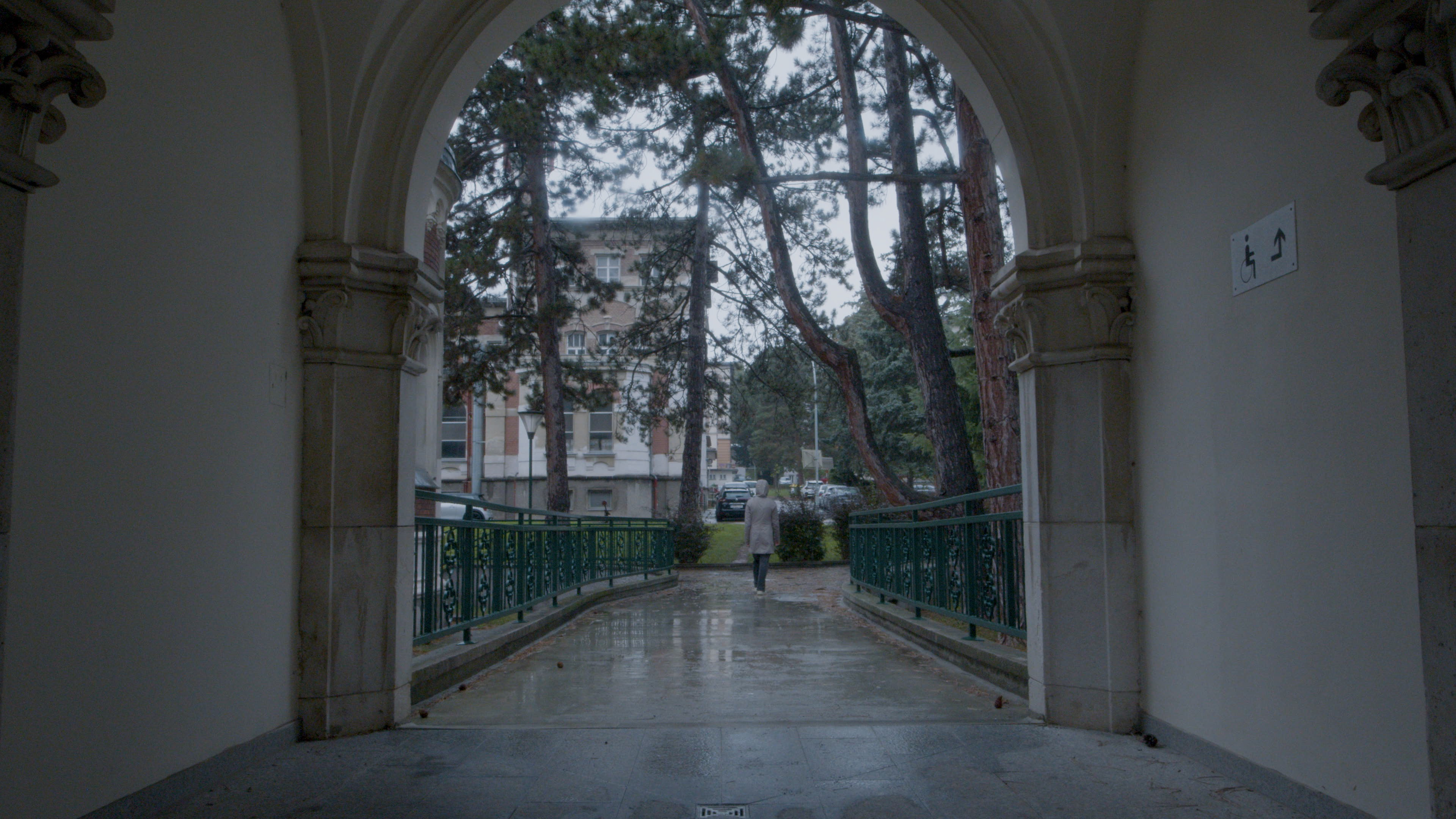
Klinik Hietzing
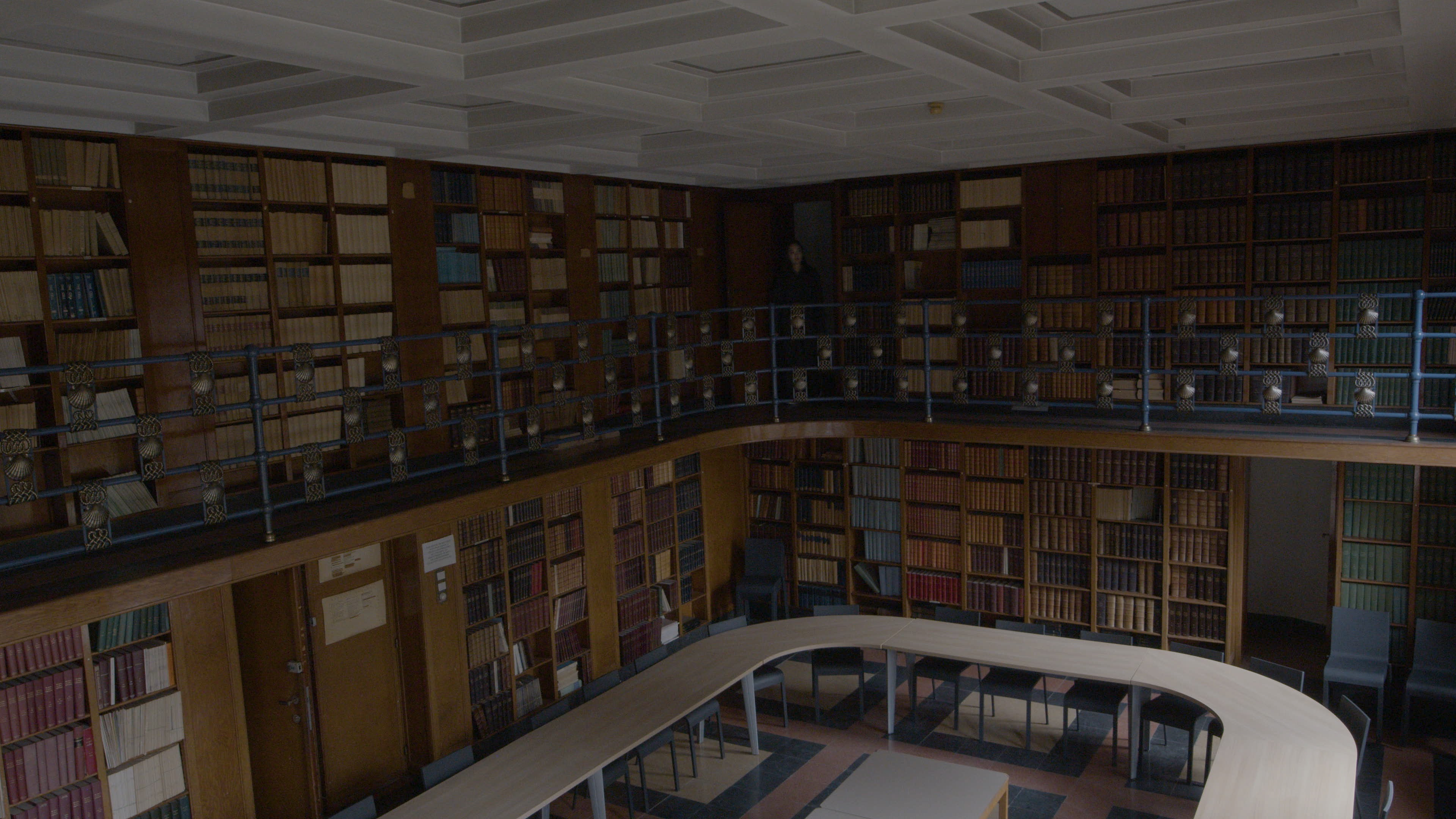
Queen Elisabeth Medical Foundation
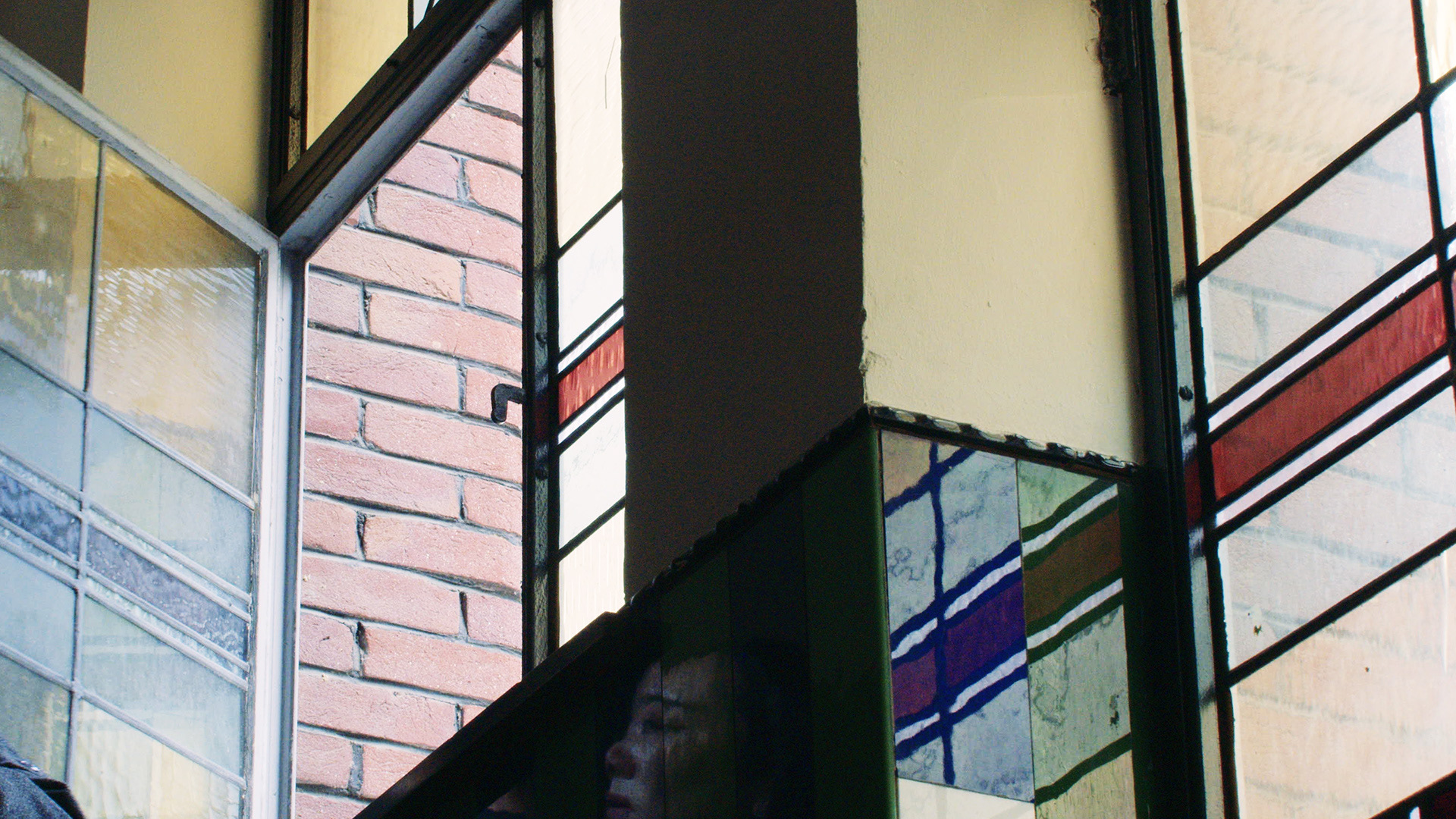
Queen Elisabeth Medical Foundation
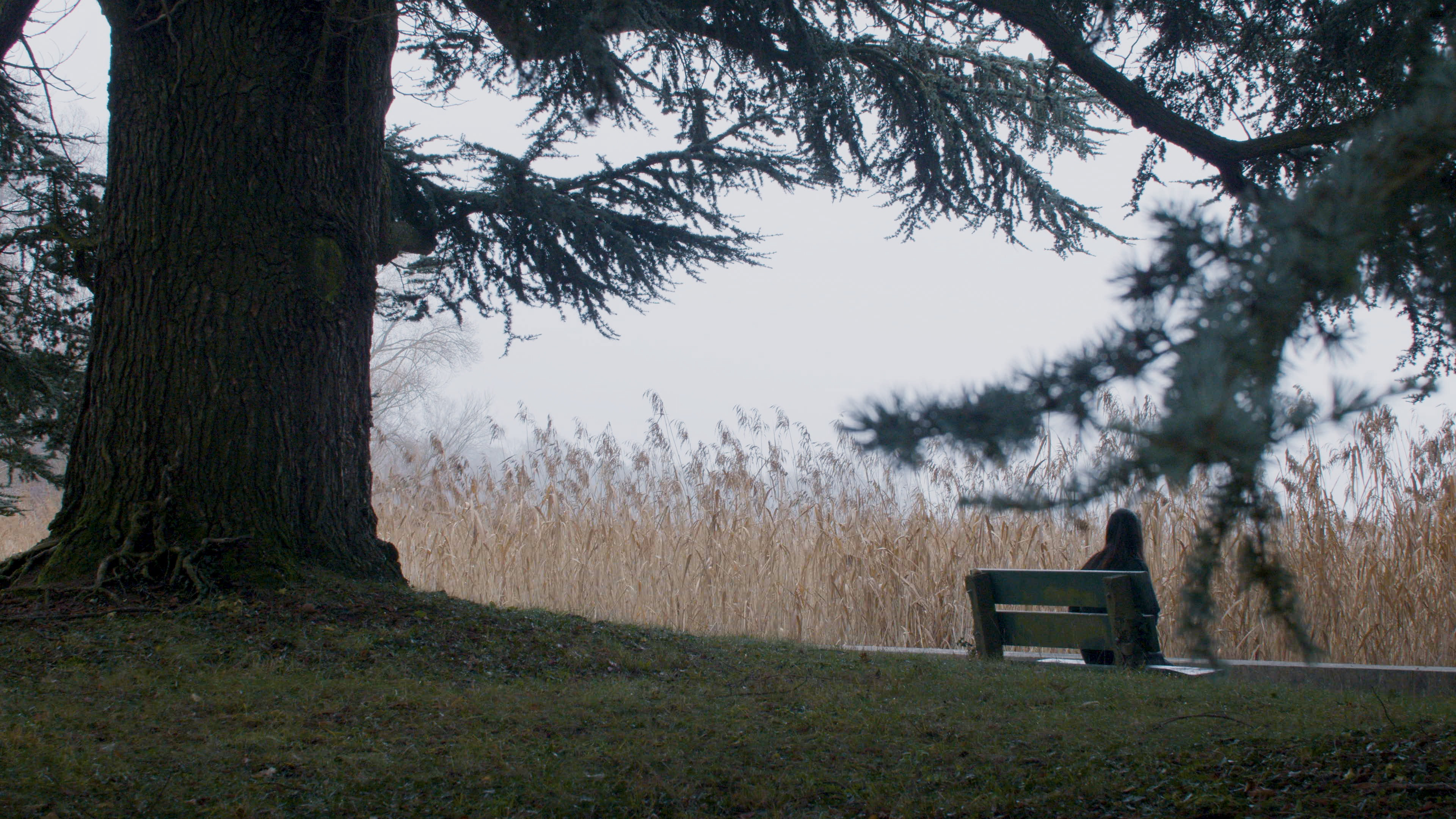
Centre Neuchâtelois de Psychiatrie
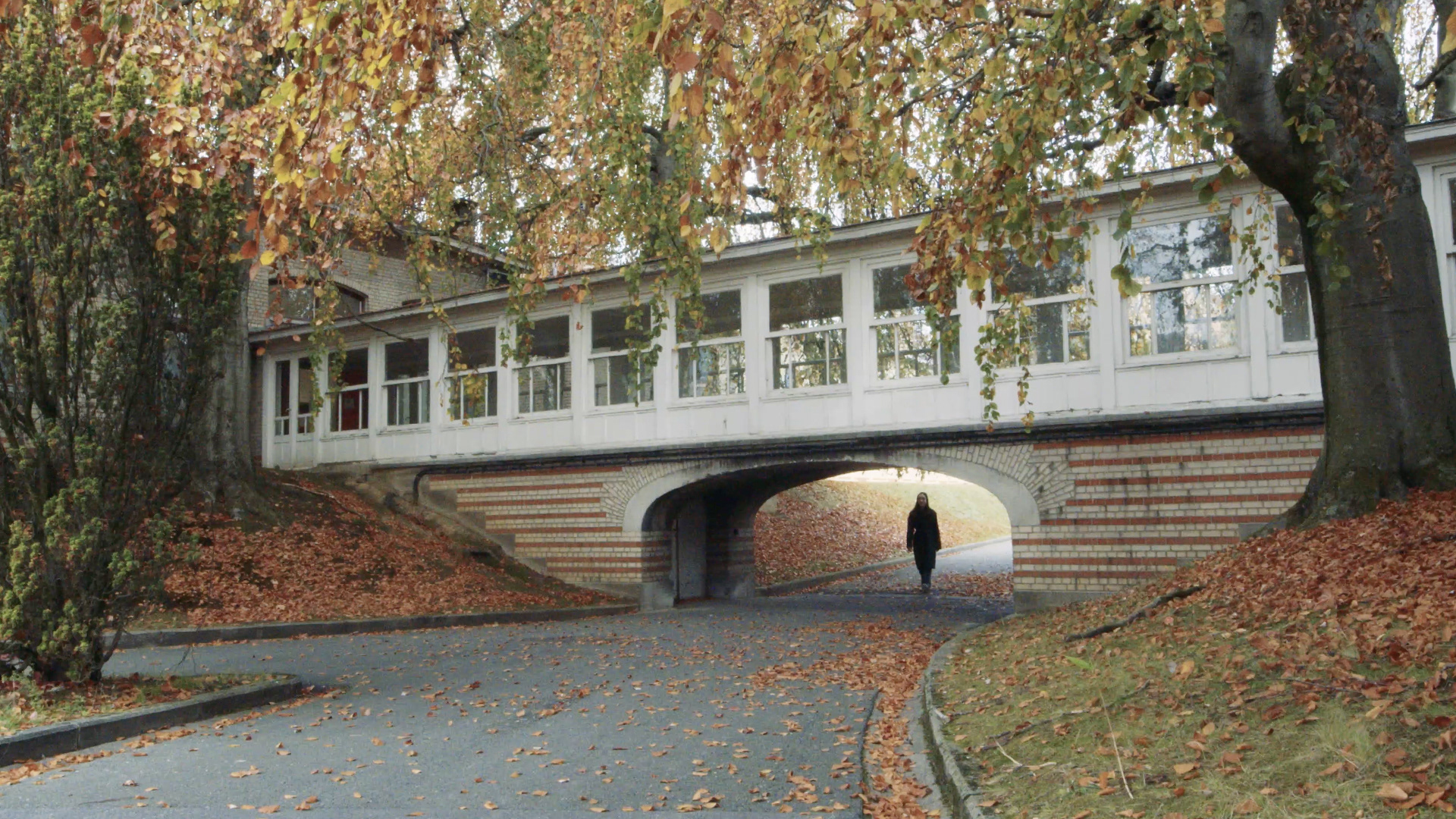
CHU Brugmann
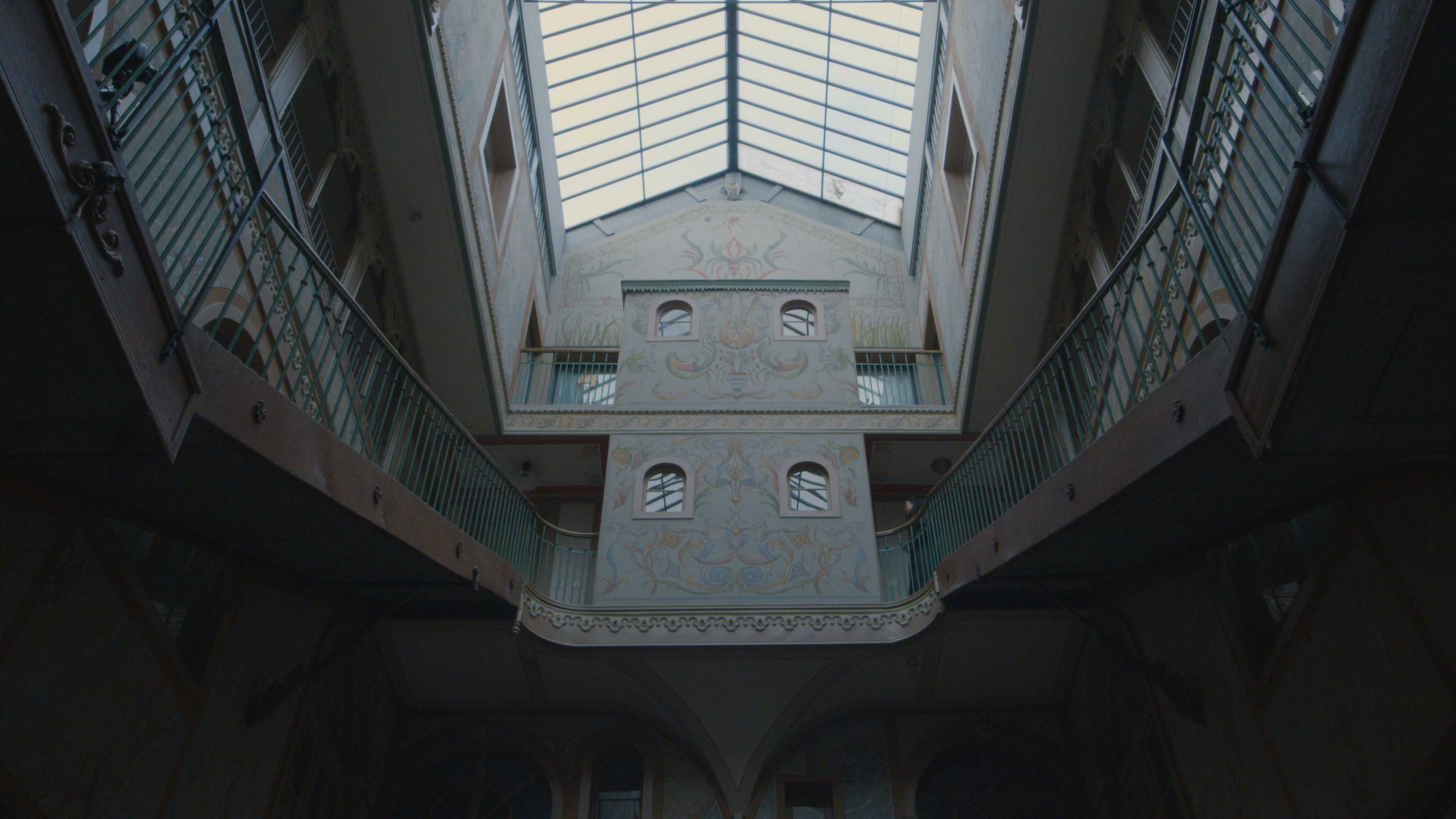
Ville de La Chaux-de-Fonds
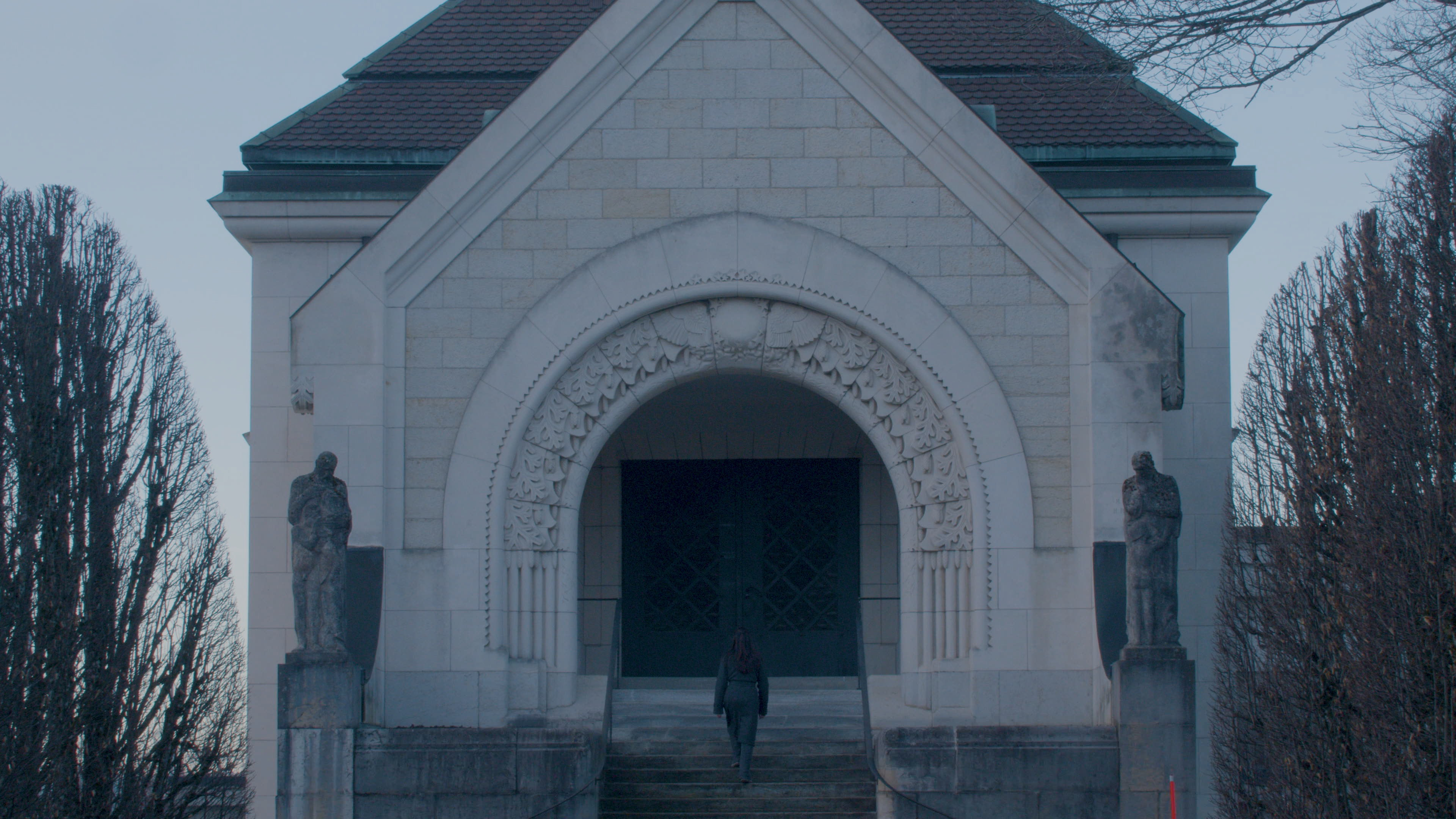
Ville de La Chaux-de-Fonds
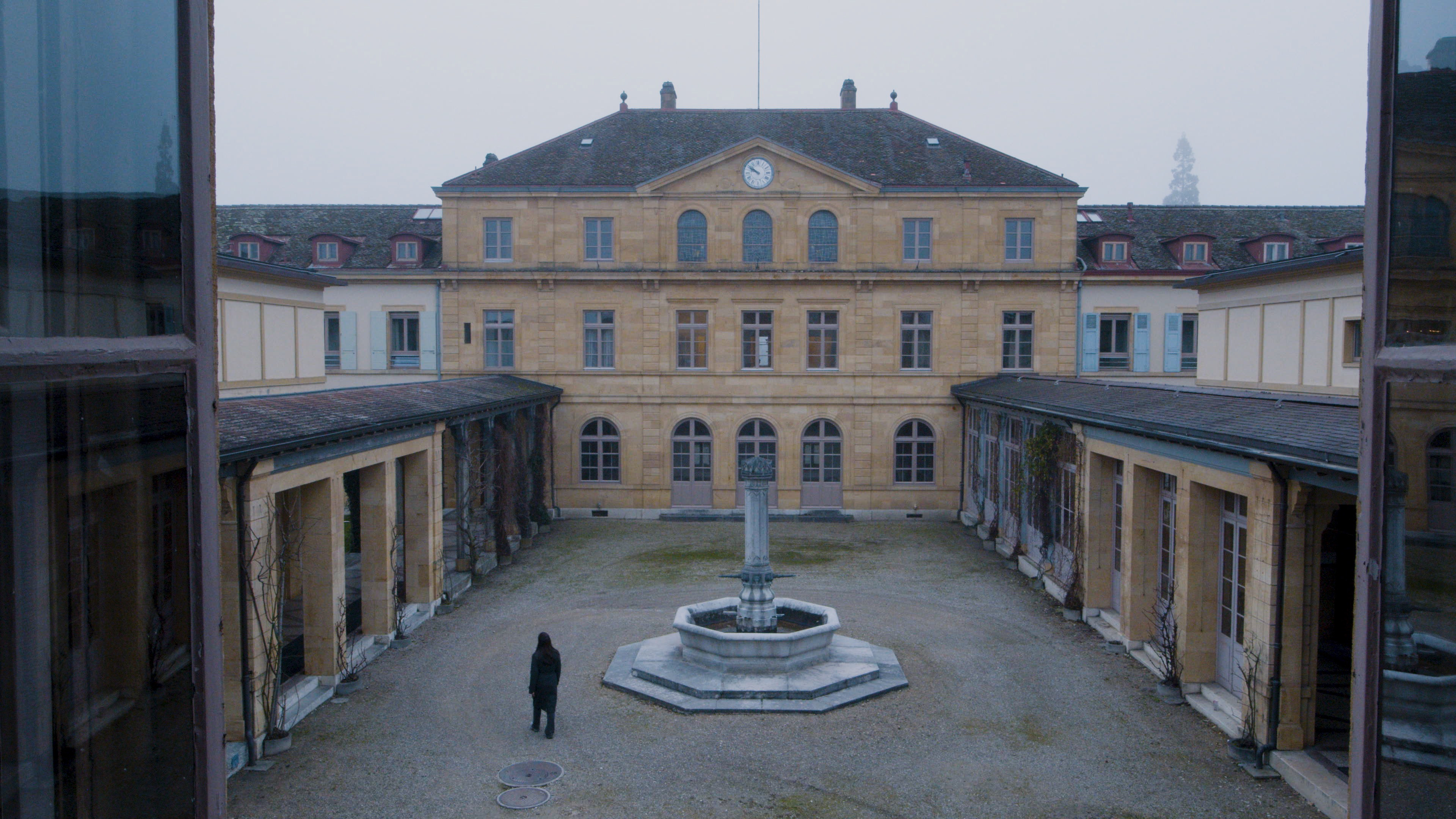
Centre Neuchâtelois de Psychiatrie
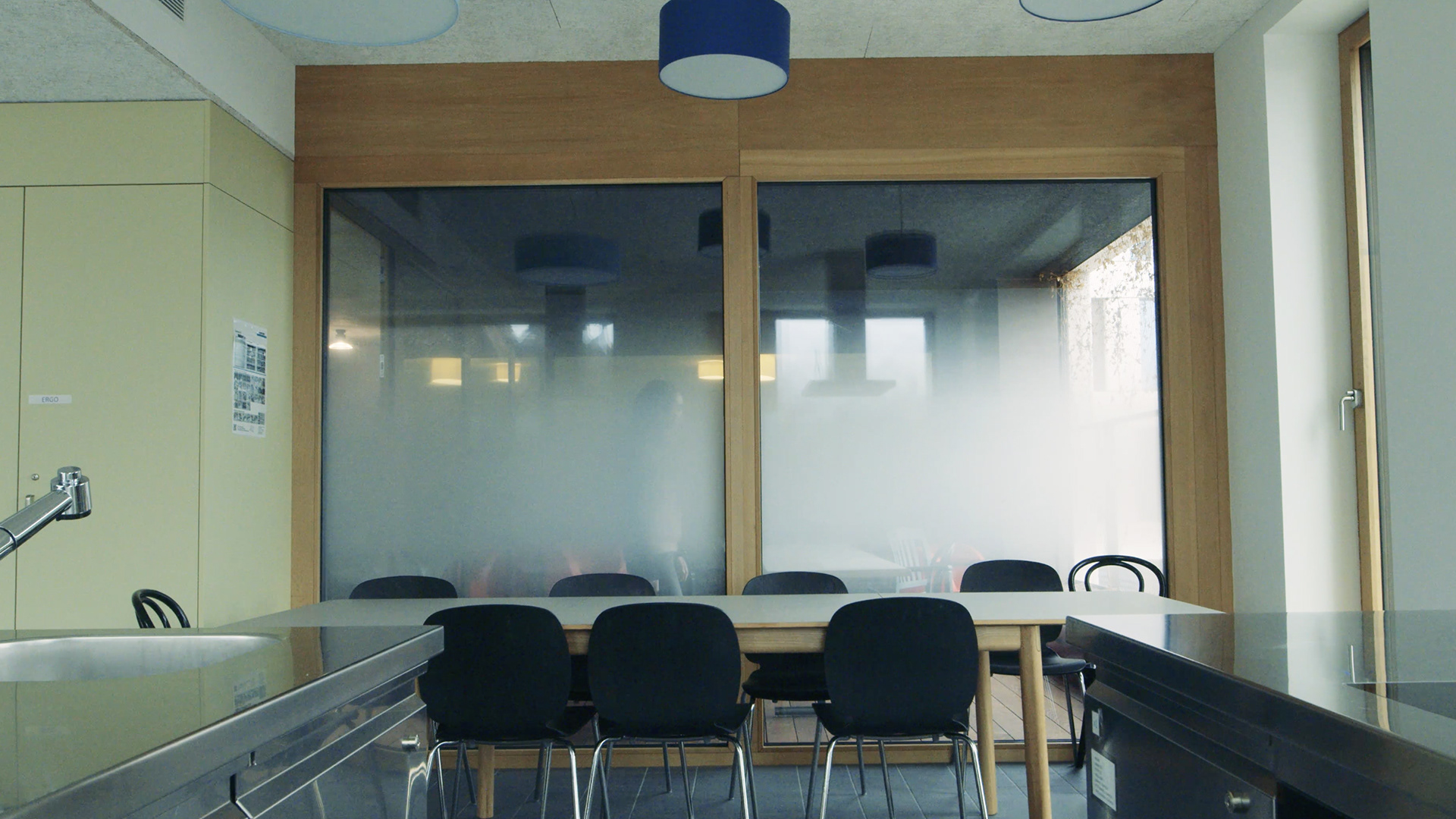
Hôpitaux Universitaires de Genève
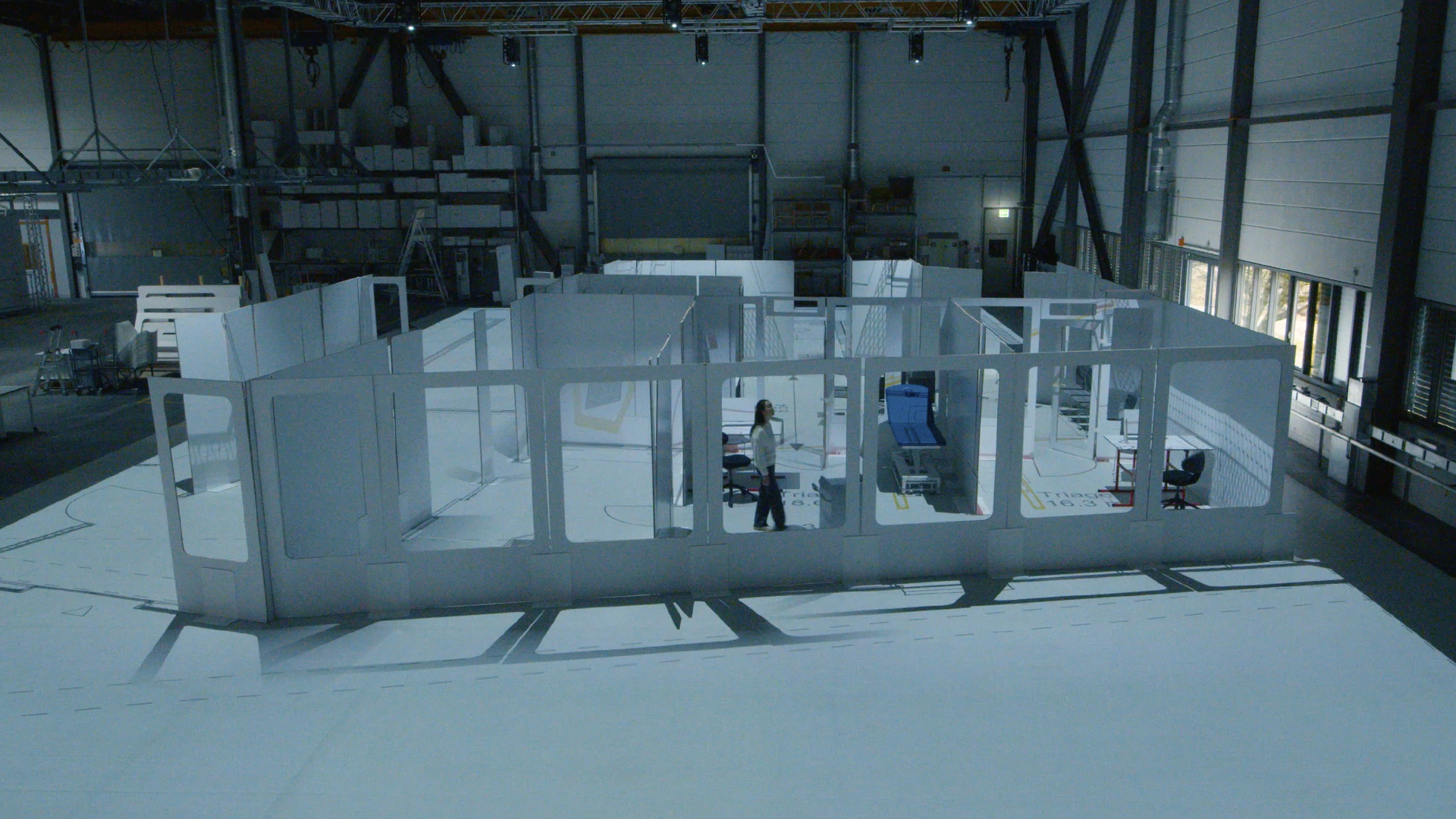
Swiss Center for Design and Health
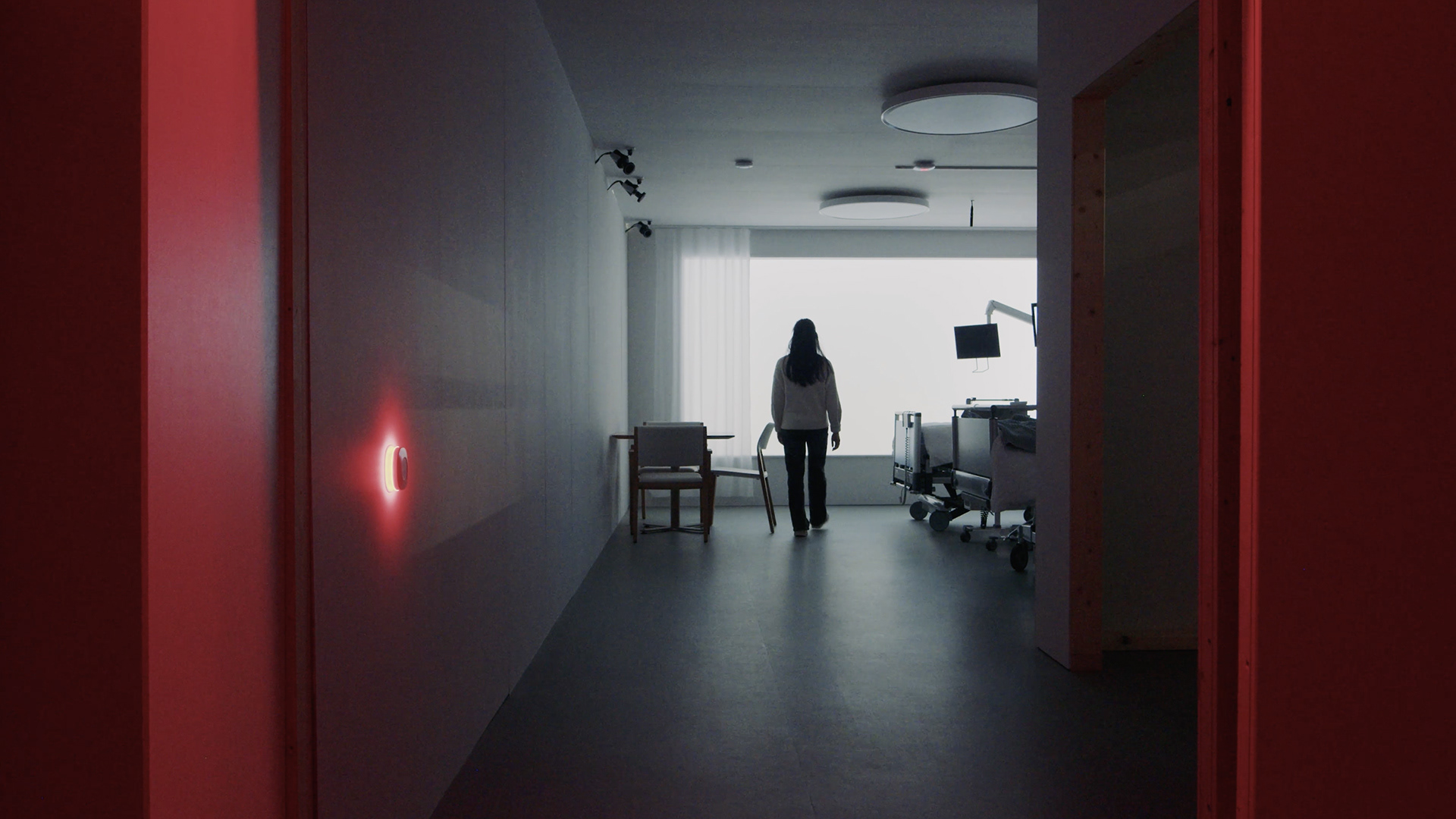
Swiss Center for Design and Health
Institution partners